

One Bill, One System: The Difference Isn’t Theory
Picture the last Friday of the month, without one bill and one system to keep it in check. One manager is reconciling five invoices in five different formats, chasing a credit one agency promised three weeks ago. A scheduler two doors down is texting recruiters to confirm which of tomorrow’s assigned workers will actually show up. Neither of them is doing the job they were hired to do. They’re absorbing the cost of a fragmented staffing model, and none of that cost ever shows up on an invoice.
Centralization changes what that day looks like. It comes down to one bill, one system, and one place to see everything happening across your workforce. Here’s where it shows up.
One Request, Not Five Phone Calls
In a fragmented model, filling an open shift means sending the same request to multiple agencies and hoping one of them lands it. Each vendor sees only its own bench, so coverage depends on whose pool happens to have someone available that morning.
A centralized staffing platform flips that starting point. One request reaches a wide, pre-vetted talent pool instead of a single agency’s limited list. More qualified workers are visible for every open shift, which is exactly why fill rates hold steady week over week instead of swinging on which vendor happened to pick up the phone. Companies using WAE report an average 98% fill rate, compared to a traditional staffing benchmark closer to 65%. That gap is the difference between a covered line and a supervisor rearranging the floor at 6 a.m.
Speed You Can Count On, Shift After Shift
Reliable access only matters if it’s fast and repeatable. The longer a role sits open, the more pressure builds to accept whoever is available, regardless of fit. Slow staffing quietly becomes low-quality staffing.
Centralized systems fill shifts in hours instead of days, and because the talent pool behind them is deep enough to support both, speed and quality stop competing. Smart rostering pulls from reliability scores and past performance, so the workers most likely to show up and do the job well are the ones surfaced first. With a 2% no-show rate and 93% of businesses requesting the same workers back, consistency stops being a gamble and becomes the default. The same qualified people return week after week, instead of a rotating cast of unfamiliar faces.
One Bill, One System, One Point of Accountability
Here’s where the daily grind eases most visibly. Instead of reconciling separate invoices, credentialing files, and communication threads across every vendor, everything runs through one platform with a single bill. Timecards, attendance, fill rates, and spend all live in one place.
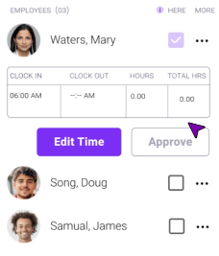
When something goes wrong in a five-agency setup, the first question is “whose worker was that?” Ownership scatters. With one system, accountability has a single location. Managers stop refereeing vendors and start managing their own workforce.
That shift has real financial weight behind it. Workforce benchmarks from Staffing Industry Analysts and Everest Group show that organizations using centralized MSP or VMS models often realize 5 to 12% labor savings, before you even count the hours handed back to your team.
What the Day Actually Feels Like
The real measure of centralization isn’t a feature list. It’s whether your Monday starts with confirmed coverage or a scramble. Whether your scheduler builds ahead or reacts all morning. Whether month-end is a close or a reconciliation marathon.
Reliable access to qualified talent, filled quickly and consistently, is the foundation everything else sits on. Get that right, and the downstream friction, the chasing, the juggling, the invoice math, mostly disappears. One request. One pool. One bill, one system, one point of accountability.
Staffing instability drains budgets and wears down the people carrying it. A centralized system doesn’t just fill shifts faster. It gives your team their day back.