
Features That Matter When Production is On the Line
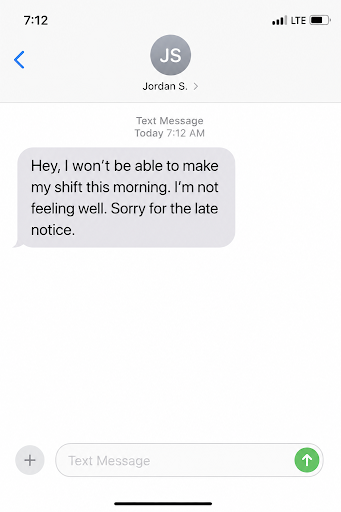
Production starts in less than an hour, and another no-show text comes through.
Now HR is calling staffing agencies before sunrise while supervisors rearrange schedules on the fly. The first shift hasn’t clocked in yet, and overtime conversations are already happening.
For manufacturing leaders, especially in food and beverage, this is all too familiar. Staffing instability is no longer an occasional disruption. It is an operational challenge that impacts production schedules, labor costs, employee burnout, and output consistency in real time.
And the pressure is only growing. Deloitte and The Manufacturing Institute predict the manufacturing industry could need as many as 3.8 million new workers by 2033, with nearly half of those positions potentially going unfilled if workforce challenges continue.
That’s why more manufacturers are rethinking the role of staffing technology. A staffing platform for food manufacturers should do more than fill shifts. It should reduce operational strain, improve workforce reliability, and give leadership real visibility into labor performance before staffing problems impact production.
Beyond Shift Filling
Workforce management software often promises faster fills, quicker onboarding, and swifter communication. But speed alone does not solve workforce instability.
Manufacturers operate in environments where attendance, accountability, and consistency directly impact throughput, safety, and labor costs. Filling a shift with the wrong worker can create just as much disruption as leaving it empty. That’s especially true in food and beverage operations where absenteeism can affect production schedules, spoilage risk, overtime costs, and employee burnout in a matter of hours.
For many manufacturers, one no-show rarely stays isolated to one shift. SHRM research found overtime is commonly used to cover between 20% and 47% of employee absences, adding additional pressure to already stretched teams.
Visibility Changes Everything
One of the biggest frustrations manufacturing HR teams face is managing multiple staffing vendors with little transparency into performance. One agency may consistently provide reliable workers while another struggles with attendance, but without centralized data, it becomes difficult to track patterns or hold vendors accountable.
That is where platform-based workforce management changes the conversation.
WAE gives employers one platform and one partner to manage their temporary workforce. Instead of juggling separate staffing agencies, invoices, communication chains, and reporting systems, manufacturers gain a centralized view of staffing operations across every vendor.
When leadership can see fill rates, response times, attendance trends, and agency performance in one place, staffing decisions become operational decisions instead of emergency reactions. And when you have an HR team already carrying the stress of production deadlines and labor shortages, reducing that burden matters just as much as improving fill rates.
Reliability Comes from Competition
While one might assume adding more staffing agencies automatically improves labor coverage, in reality, it often creates inconsistency, duplicate communication, and uneven worker quality.
The better approach is controlled competition. That’s why WAE operates as a vendor-neutral platform where staffing agencies compete to fill shifts. That model changes incentives quickly. Agencies can check on performance, measure it, and compare it directly against competitors. As a result, the most reliable partners naturally rise to the top.
For employers, that means stronger accountability. Instead of manually managing vendor performance, manufacturers can rely on real-time data to identify which staffing partners consistently deliver dependable workers.
A temp workforce platform for food and beverage operations should not just connect employers to labor, it should help identify the labor sources that actually perform under pressure.
Data Should Reduce Guesswork
Manufacturing leaders already have enough uncertainty to manage. Staffing technology should remove guesswork, not add another dashboard full of disconnected information for manufacturing leaders who are already overloaded. That’s why data-driven insights matter.
WAE allows employers to track agency quality scores and workforce performance metrics in real time. Rather than relying on anecdotal feedback or reactive staffing conversations, leadership teams get measurable insight into workforce reliability across facilities and vendors.
If one agency consistently delivers higher attendance rates, faster fills, or stronger retention, employers can adjust labor strategy accordingly. If staffing instability starts increasing at a particular location or shift, the data showcases those issues before they create larger production problems.
Technology Built for Manufacturing Reality
Production environments move fast and technology supporting those environments has to reflect that urgency.
WAE’s platform was built specifically around workforce operations and temporary labor management. The focus is on simplifying workflows, improving fill rates, optimizing cash flow, and giving employers fewer staffing fires to put out.
The Right Platform Creates Stability
Manufacturing staffing challenges are not disappearing anytime soon. But the good news is that the right staffing platform can change how those challenges are managed.
The best staffing technology for employers creates visibility, accountability, and workforce reliability in one centralized system. When you reduce vendor chaos and improve decision-making, it allows manufacturing leaders to spend less time reacting to staffing issues and more time running operations.
Because in manufacturing, stable staffing is not just an HR metric. It is an operational advantage.
Sources
https://www.gray.com/insights/a-robotic-solution-for-labor-shortages-in-food-beverage